The Reality of Commercial Space Tourism in 2027
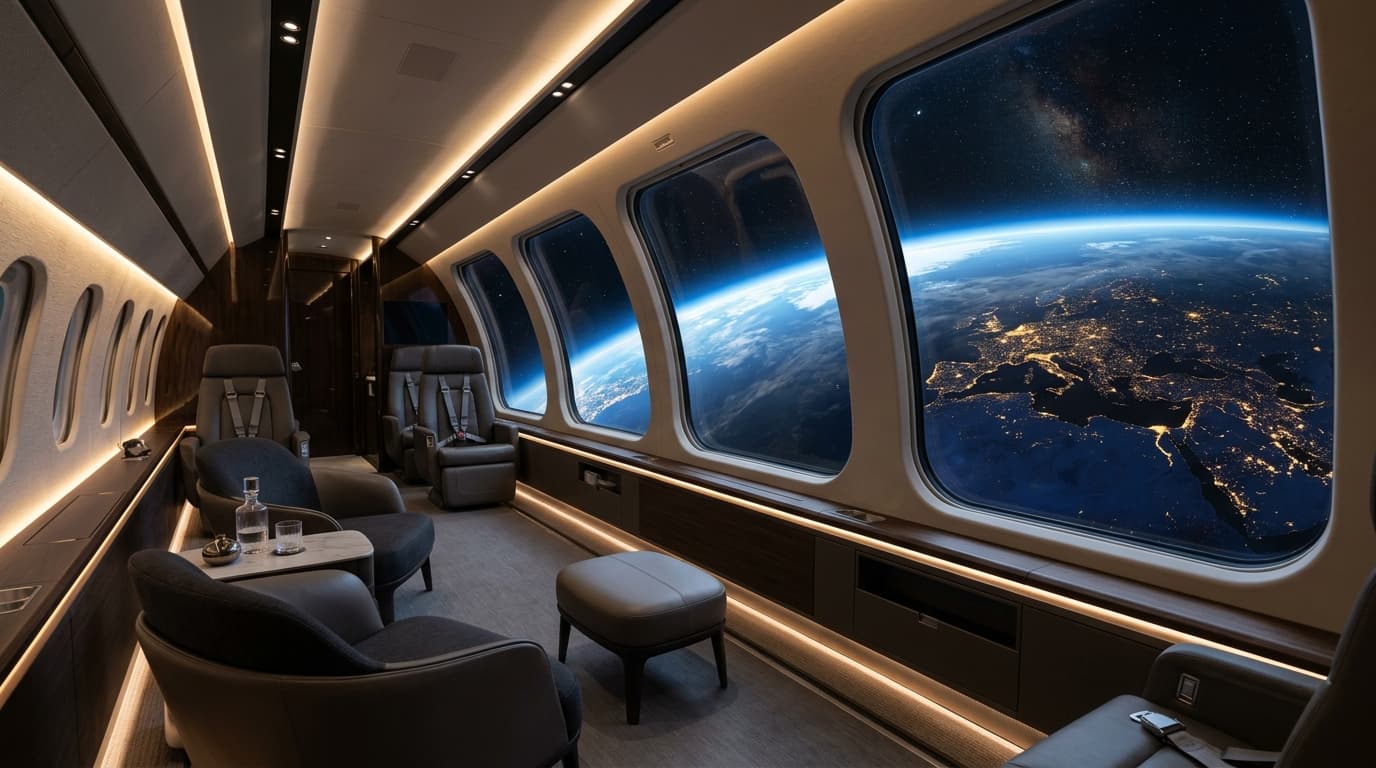
The dream of civilians traveling into space has finally matured into a robust commercial industry by 2027. What was once a dangerous, highly experimental endeavor reserved exclusively for elite billionaires is now an accessible luxury vacation. Dozens of competing aerospace companies have perfected reusable rocket technology. This massive reduction in launch costs has democratized the stars, allowing everyday adventurers to experience the profound wonder of looking down at the curvature of the Earth.
Suborbital Resort Flights
The most popular space tourism package in 2027 is the suborbital resort flight. Passengers board a sleek, luxurious spaceplane attached to a massive carrier aircraft. At forty thousand feet, the spaceplane drops, ignites its hybrid rocket engine, and shoots vertically into the thermosphere. For ten incredible minutes, passengers unbuckle their seatbelts and float freely in zero gravity, looking out of massive panoramic windows at the glowing blue marble below.
Reusable Rocket Economics
The key to this booming industry is the perfection of rapid reusability. Early rockets were entirely discarded after a single use, making spaceflight prohibitively expensive. Modern commercial spacecraft are designed to land autonomously, refuel, and launch again within forty-eight hours. This incredible engineering achievement has slashed ticket prices by ninety percent, bringing space tourism to the price point of a high-end international cruise.
The Physical Preparation Process
Unlike professional astronauts who train for years, commercial space tourists in 2027 require only three days of preparation. Medical advancements and smoother acceleration profiles have made the journey safe for almost anyone. Passengers spend their pre-flight time at a luxury spaceport resort. They undergo basic physiological screening, experience simulated zero-gravity in a centrifuge, and learn emergency protocols while enjoying five-star dining and accommodations.
The Overview Effect
Psychologists have documented a profound shift in passengers returning from space, known as the "Overview Effect." Seeing the Earth as a fragile, borderless sphere suspended in an infinite dark void permanently alters a person's perspective. Tourists frequently return with a deeply renewed sense of environmental stewardship and global unity. Space tourism is not just a thrill ride; it is a catalyst for positive planetary consciousness.
Frequently Asked Questions
How much does a commercial space flight actually cost in 2027?
Due to rapid rocket reusability, a standard suborbital ticket now costs roughly fifty thousand dollars. While still a luxury, it is comparable to an exclusive, high-end safari or cruise.
Do I need to be in perfect athletic shape to go to space?
No. Modern commercial spaceplanes are designed to accelerate smoothly, minimizing G-forces. If you are healthy enough to ride a fast roller coaster, you can safely travel to space.
How long does the entire experience last?
The actual flight lasts about ninety minutes from takeoff to landing, including ten minutes of weightlessness. However, the entire resort experience, including training, lasts three days.
Is commercial space travel actually safe?
Yes. Commercial spacecraft in 2027 have undergone thousands of successful unmanned test flights. They possess massive redundant safety systems and robust emergency escape capabilities.
Can passengers use their smartphones in space?
Yes! Modern spaceplanes are equipped with high-speed satellite internet. Passengers routinely live-stream their zero-gravity experience directly to their social media accounts.
Will there ever be a hotel in orbit?
It is already under construction. The first commercial orbital space station, featuring luxury sleeping pods and a zero-gravity gymnasium, is scheduled to open for tourists in 2029.