Quantum Cryptography and Cybersecurity in 2027
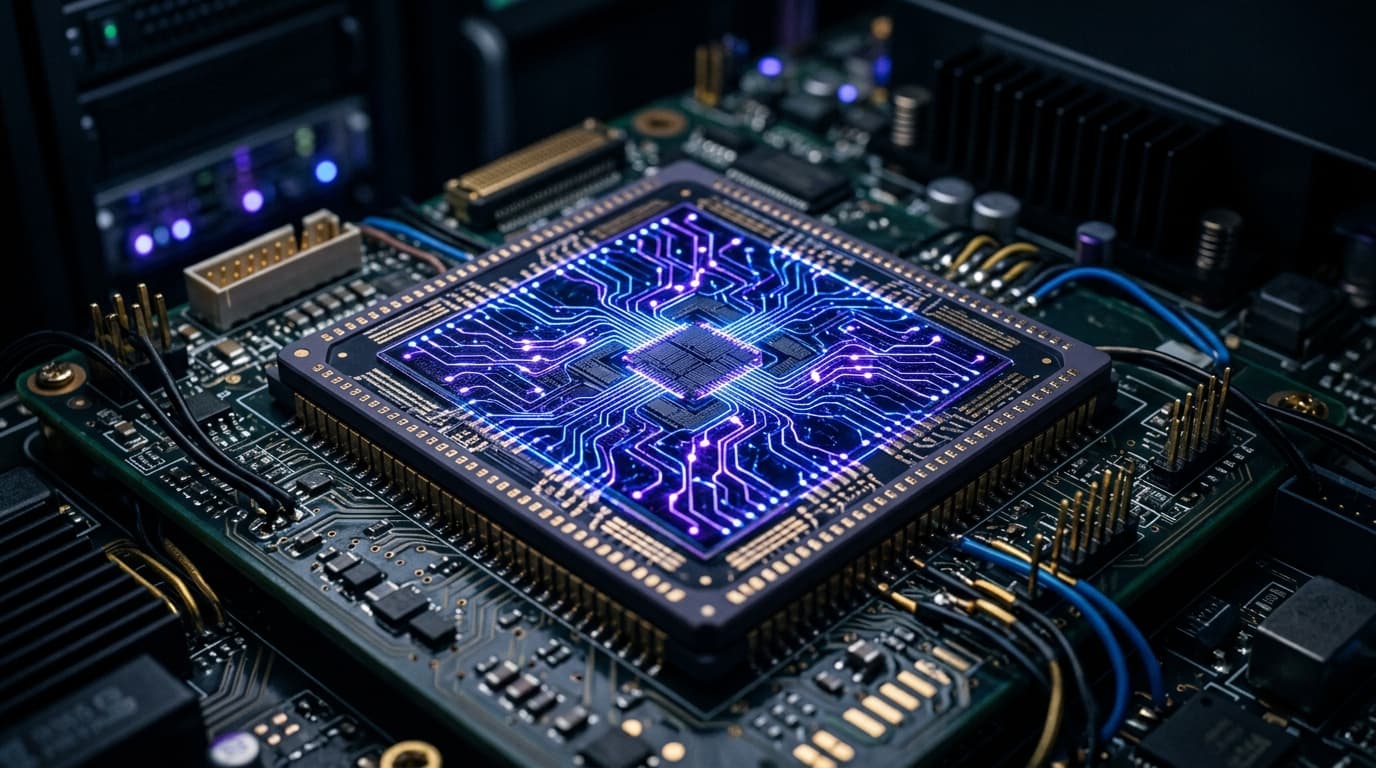
The global cybersecurity landscape is facing an unprecedented existential threat in 2027. Traditional encryption methods, which have protected the internet for decades, are actively being compromised. The rapid development of commercial quantum computers means that classic RSA encryption can now be cracked in mere minutes. To prevent total systemic collapse, governments and financial institutions are rapidly transitioning to quantum cryptography.
The Threat of Quantum Decryption
For years, hackers have been executing "Store Now, Decrypt Later" attacks. They have been quietly stealing heavily encrypted financial and classified military data, storing it on massive servers. They were patiently waiting for quantum computers to become powerful enough to break the encryption. That day has arrived in 2027. Without an immediate global upgrade to quantum-safe protocols, historical data across the entire internet will be exposed.
Quantum Key Distribution (QKD)
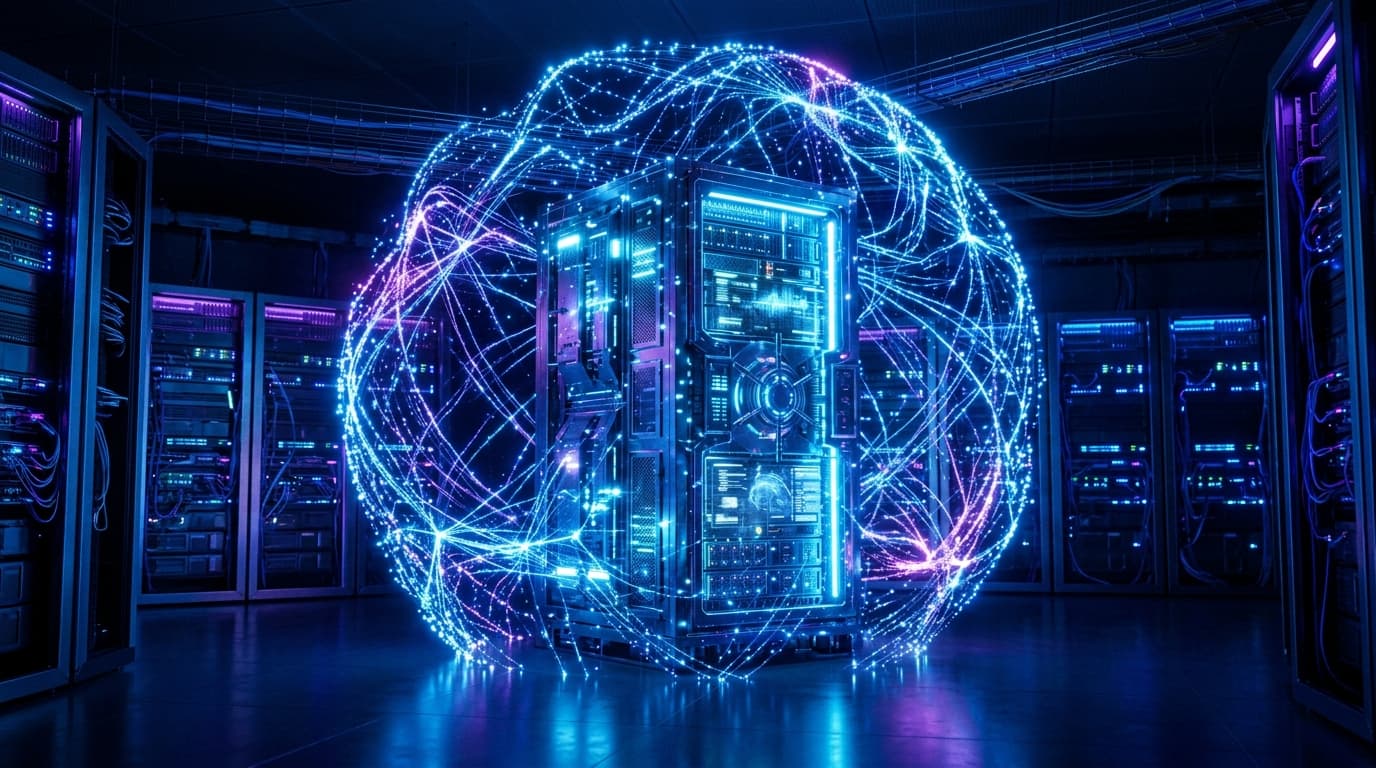
The ultimate solution to this threat is Quantum Key Distribution. This advanced technology uses the fundamental laws of quantum mechanics to secure data. It transmits encryption keys using single entangled photons of light through fiber optic cables. Because of the delicate nature of quantum states, if a hacker attempts to intercept the key, the photon's state instantly collapses. This immediately alerts the sender and destroys the compromised key.
Post-Quantum Algorithms
While QKD requires specialized fiber optic hardware, the broader internet is adopting post-quantum cryptography (PQC). These are advanced mathematical algorithms designed specifically to resist attacks from quantum computers. Major tech corporations and browser developers successfully rolled out mandatory PQC updates to billions of smartphones in early 2027. This ensures that everyday consumer banking and private messaging remain secure.
The New Cybersecurity Arms Race
The transition to quantum safety has sparked a massive global cybersecurity arms race. Sovereign nations are investing trillions of dollars into building unhackable quantum internet networks. Companies that failed to upgrade their legacy systems are currently facing devastating data breaches and massive regulatory fines. Quantum security is no longer a theoretical concept; it is the absolute foundational requirement for digital survival.
Frequently Asked Questions
What exactly is quantum cryptography?
It is an advanced method of encrypting data that relies on the unpredictable laws of quantum physics rather than traditional mathematics. It ensures that data cannot be intercepted without immediate detection.
Why is traditional encryption suddenly failing?
Traditional encryption relies on complex math problems that take standard computers thousands of years to solve. However, new quantum computers can solve these exact mathematical problems in just a few minutes.
Can a hacker secretly intercept a quantum encryption key?
No. According to the laws of quantum mechanics, the mere act of observing or intercepting a quantum particle permanently changes its state. The system immediately detects the intrusion and aborts the transfer.
Is my personal smartphone currently vulnerable?
Most likely not. Major operating systems and secure messaging apps automatically implemented post-quantum software updates throughout 2026 and 2027 to protect consumer data.
Who is using Quantum Key Distribution right now?
Currently, QKD is primarily used by major global banks, government intelligence agencies, and military command centers to secure their most highly classified communications.
Will there ever be a quantum computer powerful enough to break quantum encryption?
It is highly unlikely. Quantum cryptography relies on the fundamental, unbreakable laws of physics, making it theoretically immune to any future advancements in computing power.