Neuromorphic Chips: The Future of Edge Computing
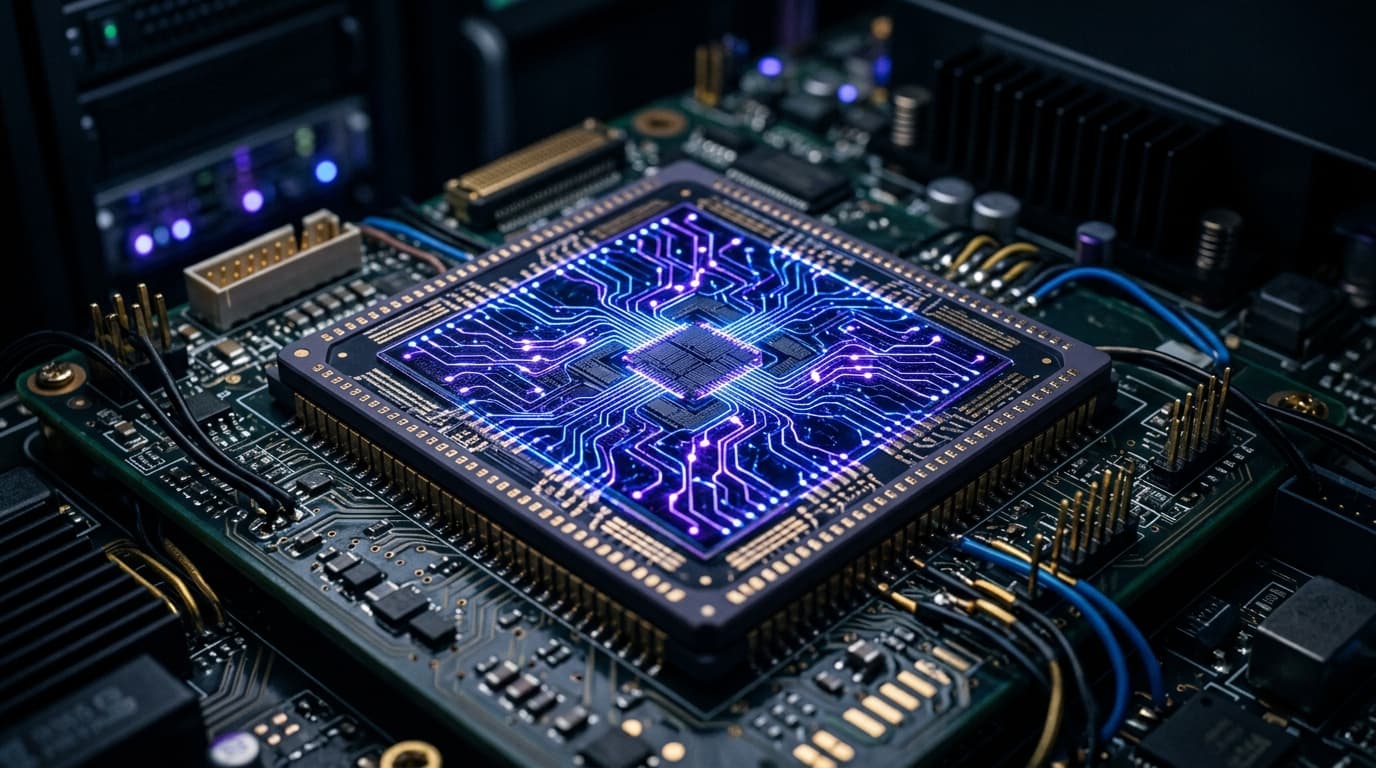
The limits of traditional silicon processors were officially reached in the mid-2020s. Today, in 2027, the technology industry is heavily deploying neuromorphic chips for edge computing. These brain-inspired processors do not operate like standard CPUs. They mimic the exact neural structure of the human brain to process sensory data with unprecedented efficiency. This technological leap has made complex artificial intelligence completely independent of the cloud.
Understanding Brain-Inspired Architecture
Standard processors move data continuously between memory and processing units. This creates a massive energy bottleneck. Neuromorphic chips in edge computing solve this by co-locating memory and processing. They use artificial neurons and synapses that only activate when a specific spike of information occurs. This event-driven architecture is incredibly similar to how a human eye processes movement. It results in a processor that consumes a fraction of the power.
The Edge Computing Revolution
For years, devices like smart cameras had to send video footage to a distant cloud server for AI analysis. This caused latency and massive privacy concerns. Now, neuromorphic chips allow edge computing devices to process complex AI algorithms locally. A security camera can instantly recognize a specific face or a dangerous event in real-time. It never needs to transmit raw data over the internet, ensuring absolute privacy.
Applications in Advanced Robotics
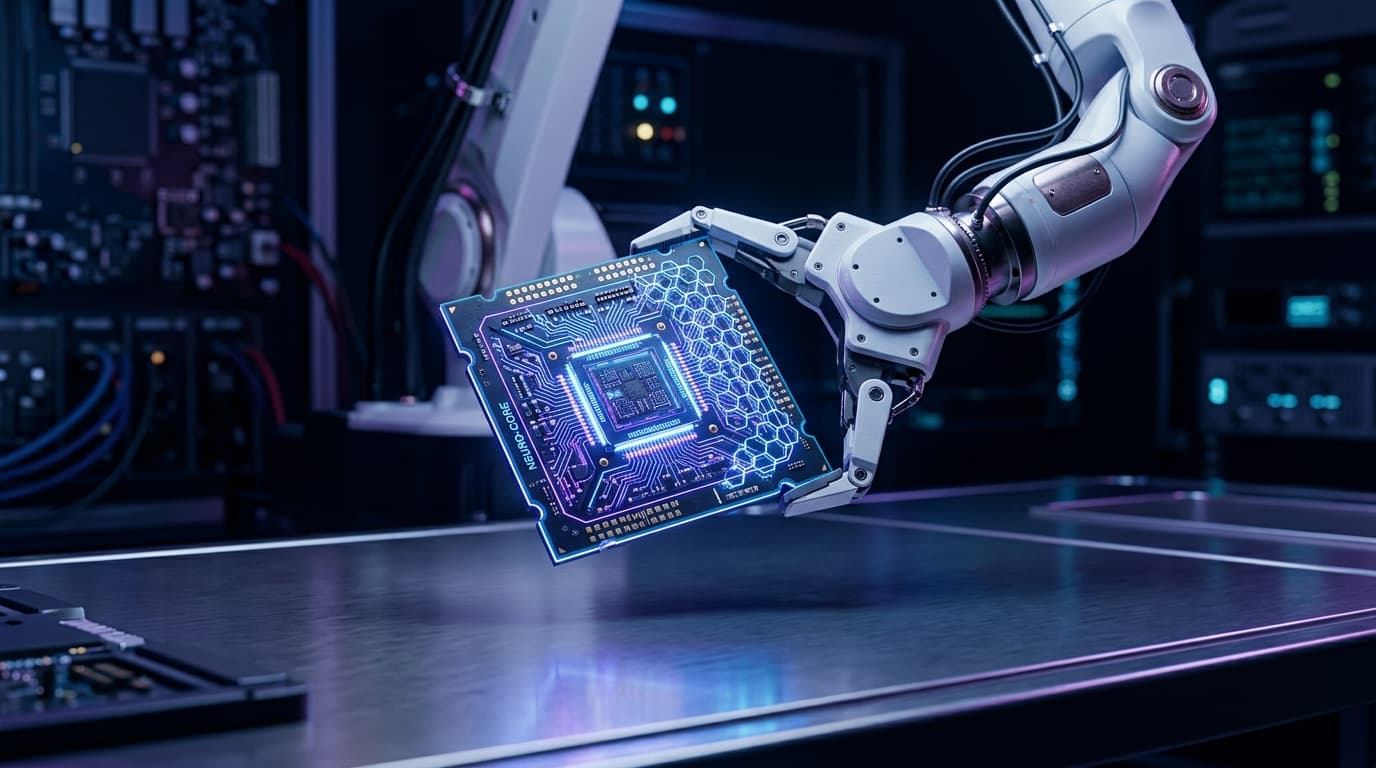
Robotics is the primary beneficiary of neuromorphic processors. Traditional robots are notoriously clumsy because they struggle to process vast amounts of sensor data instantly. A neuromorphic chip allows a robotic arm to process tactile feedback exactly like human skin. When a robot grasps a fragile object, the brain-inspired chip processes the pressure spikes instantly. This grants machines a level of physical dexterity that was previously impossible.
Extreme Energy Efficiency
The most significant advantage of neuromorphic chips in edge computing is power consumption. These chips use up to one thousand times less energy than traditional AI hardware. This efficiency is critical for remote internet-of-things devices. An environmental sensor placed in a remote forest can now run complex predictive weather AI models for ten years on a single small battery. It is the ultimate green technology for artificial intelligence.
Frequently Asked Questions
What exactly is a neuromorphic chip?
It is a highly specialized computer processor designed to mimic the physical structure of the human brain. It processes information using artificial neurons and synapses rather than traditional binary logic gates.
How does it differ from a standard CPU?
A standard CPU processes tasks sequentially and constantly uses energy. A neuromorphic chip is event-driven. Its artificial neurons only consume energy when they receive specific sensory input, making it vastly more efficient.
What is edge computing?
Edge computing means processing data locally on the device itself, rather than sending it to a distant cloud server. Neuromorphic chips make advanced edge computing possible by lowering local power requirements.
Are these chips used in smartphones yet?
Yes, premium smartphones in 2027 feature dedicated neuromorphic co-processors. They handle persistent background tasks like voice recognition and spatial audio processing without draining the battery.
Do neuromorphic chips pose a safety risk?
No, they are simply highly efficient processors. They do not possess actual consciousness or biological intelligence. They are strictly governed by the software code written by human engineers.
Will neuromorphic computing replace quantum computing?
No, they serve completely different purposes. Quantum computers solve complex mathematical probabilities in massive data centers. Neuromorphic chips process immediate sensory data in small, low-power physical devices.