Next-Gen Smart Home Security: AI Guardians of 2027
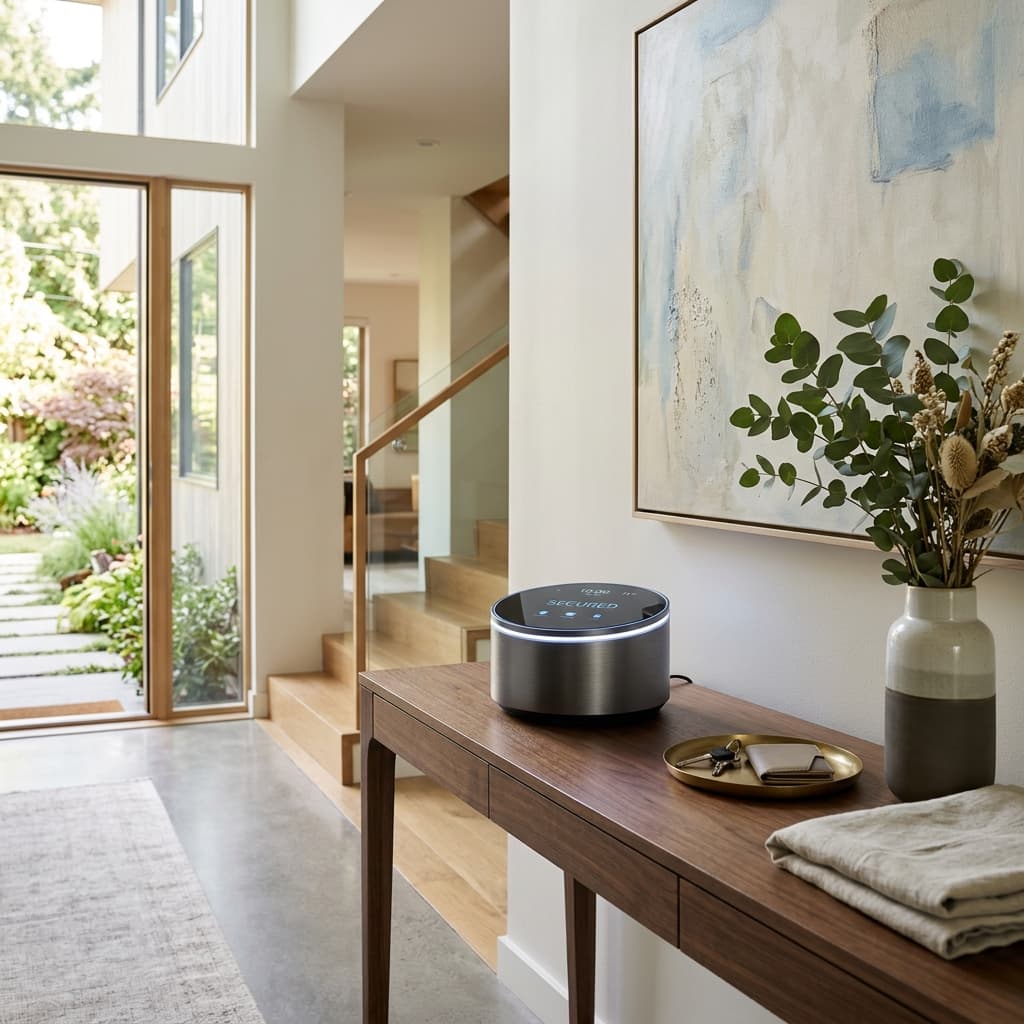
The concept of a "smart home" used to mean being able to turn off your living room lights from an app. In 2027, the focus has drastically shifted from convenience to autonomous security. Today's smart homes act less like remote-controlled appliances and more like predictive AI guardians.
The Shift to Predictive AI
Traditional security systems are reactive—they sound an alarm after a window is broken. Next-gen systems are predictive.
- Behavioral Anomaly Detection: By using a network of low-energy radar and thermal sensors (rather than privacy-invasive indoor cameras), the AI learns the normal behavioral patterns of the household. It knows the difference between a dog jumping on the sofa and a human moving through a hallway at 3:00 AM.
- Pre-emptive Deterrence: If the outdoor computer vision cameras detect an unknown individual loitering near the perimeter, the house automatically engages deterrence protocols: simulating occupancy by turning on strategic lights, playing audio (like a dog barking or conversation), and sending a push notification with a risk assessment score.
Autonomous Drone Surveillance
Static cameras have blind spots. The premium security solution of 2027 is the micro-drone. Docked securely on the roof, these autonomous drones launch upon triggered alerts to provide a real-time, aerial, 360-degree sweep of the property. They feature infrared tracking and can stream directly to emergency services if a breach is verified.
Biometrics Replace the Keychain
The physical key is entirely obsolete.
- Gait Analysis and Facial Recognition: The door unlocks seamlessly as you approach because the system recognizes your unique walking gait and facial structure.
- Temporary Access Tokens: Deliveries and houseguests are granted temporary, highly restricted biometric tokens sent directly to their smartphones, granting access only during specific time windows and only to certain areas (like a secure delivery vestibule).
"Security in 2027 is invisible. It doesn't disrupt the flow of daily life; it operates silently in the background, only making itself known when action is required."
Frequently Asked Questions (FAQ)
Q: Are these AI security systems vulnerable to hacking? A: Cybersecurity is the biggest battleground. Modern systems use localized, edge-computing rather than cloud servers. Processing data locally within the house vastly reduces the attack surface for external hackers.
Q: What about privacy concerns with all these sensors? A: The industry has moved away from indoor RGB cameras. Instead, the focus is on radar, thermal, and LiDAR sensors that track movement and mass without capturing identifiable visual data.