Synthetic Meat Nutrition: The Health Benefits Explained
The food industry has undergone a radical transformation by 2027. Traditional animal agriculture has been largely replaced by cultivated alternatives. Synthetic meat nutrition is now the primary focus for health-conscious consumers. Cultured meat is no longer just an environmental alternative; it is a vastly superior nutritional product. This guide explores the incredible health benefits of eating lab-grown proteins.
The Superior Nutritional Profile
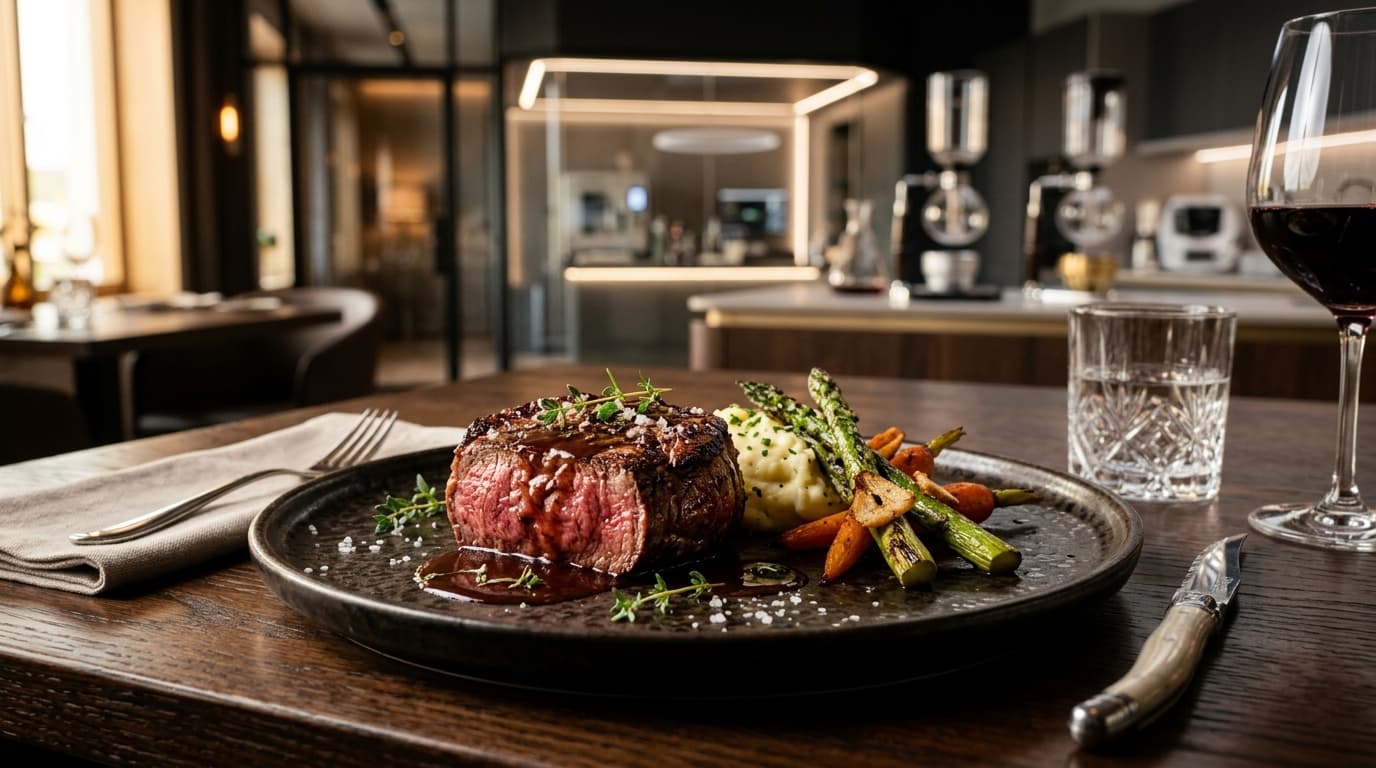
Traditional beef and poultry are inconsistent. Their nutritional value depends on the animal's diet and environment. Synthetic meat nutrition is perfectly engineered at the cellular level. Scientists can exactingly control the ratio of saturated to unsaturated fats. They routinely enhance cultured steaks with Omega-3 fatty acids, making them as heart-healthy as wild salmon. You get all the protein of traditional meat without the harmful cholesterol.
The Elimination of Foodborne Illness
Traditional meat production carries a high risk of bacterial contamination. E. coli and Salmonella outbreaks were common in the early 2020s. Cultured meat is grown in sterile, highly controlled laboratory environments. There are no slaughterhouses or fecal contaminants involved in the process. This fundamentally eliminates the risk of foodborne illnesses. Families can safely consume rare burgers without any fear of bacterial infection.
The Eradication of Antibiotics
Factory farming heavily relied on antibiotics to prevent disease among crowded animals. This led to a global crisis of antibiotic-resistant superbugs. The production of synthetic meat requires absolutely zero antibiotics. The sterile growth mediums ensure the cells remain perfectly healthy during cultivation. By switching to cultured meat, consumers actively combat the spread of dangerous, resistant bacterial strains globally.
Customized Dietary Options
The future of synthetic meat nutrition is hyper-personalization. Consumers in 2027 can order cultured meat optimized for their unique DNA. If a user has an iron deficiency, the local production facility prints a steak with enhanced bioavailable iron. If someone is an athlete, their poultry cells are cultivated to contain naturally higher concentrations of branched-chain amino acids. Meat is now a specialized health supplement.
Frequently Asked Questions
Is synthetic meat actually real meat?
Yes, it is biologically identical to animal meat. It is grown from real animal cells in a cultivator. It contains the exact same muscle and fat tissue as traditional livestock.
Does cultured meat taste like the real thing?
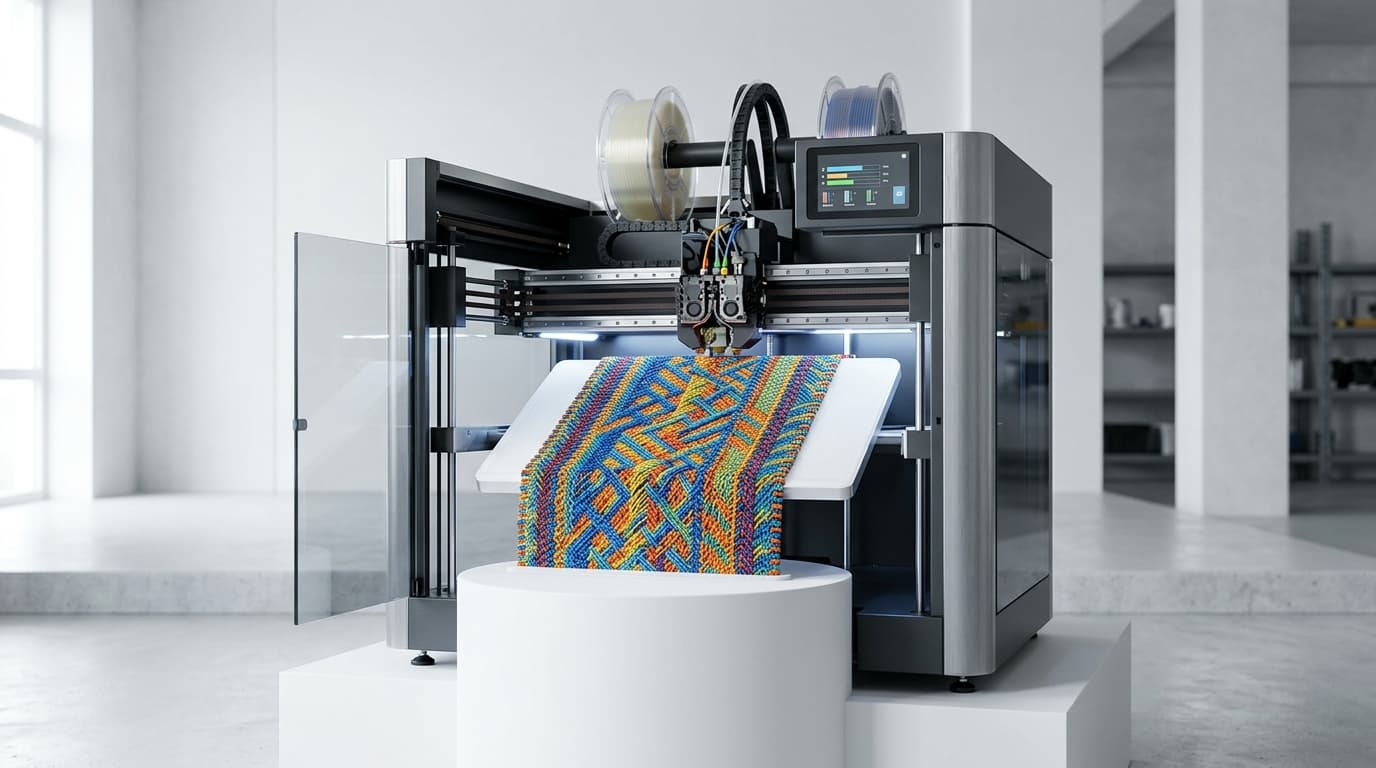
It tastes exactly like traditional meat because it is real meat. Advanced 3D bio-printing ensures the texture and marbling replicate premium cuts perfectly.
Are there artificial chemicals used in production?
No harmful chemicals are used. The cells are fed a nutrient-dense broth of amino acids and vitamins. This is identical to the nutrients a living animal digests.
Is synthetic meat safe for children to eat?
It is arguably much safer than traditional meat. It contains no heavy metals, microplastics, or antibiotics. The nutritional profile can be adjusted for growing children.
Can vegans eat synthetic meat?
This is a personal ethical choice. The meat is biologically derived from animals, but no animals are harmed or killed during the continuous production process.
Is cultured meat more expensive than traditional meat?
No, the prices achieved parity in 2025. Cultured meat is now significantly cheaper to produce at scale because it requires vastly fewer land and water resources.