The End of Fast Fashion: 3D Printed Clothing Takes Over
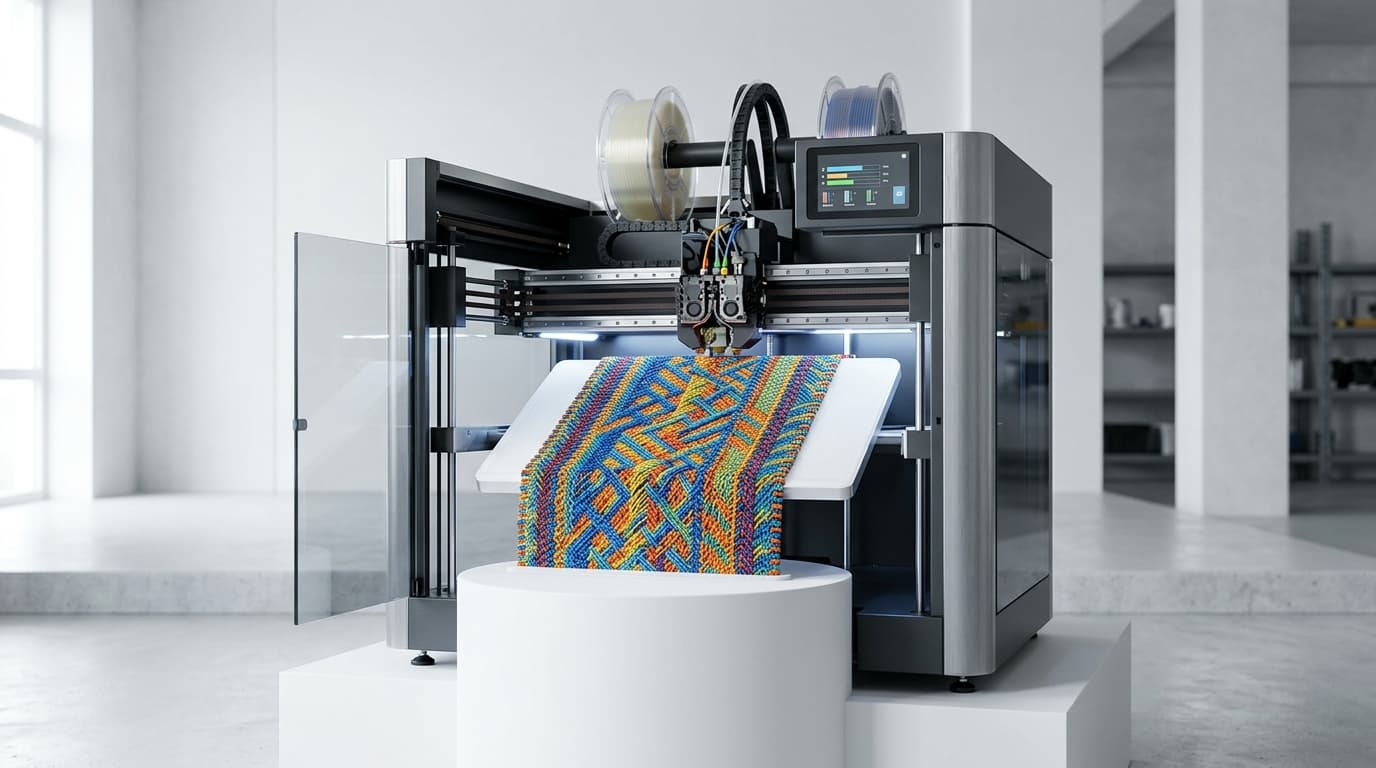
The fashion industry of 2027 looks nothing like the wasteful system of the past. The era of cheap, disposable garments shipped across oceans is finally over. Fast fashion has been entirely replaced by a localized, sustainable alternative: 3D printed clothing. Consumers no longer browse endless racks of ill-fitting shirts. Instead, they download digital design files and print bespoke garments directly at home or at local neighborhood print hubs.
What Is 3D Printed Clothing?
3D printed clothing uses advanced bio-polymers and recycled materials to construct garments layer by layer. Unlike early rigid plastic prototypes, modern textile printers extrude soft, breathable fabrics. These machines can seamlessly blend different textures, colors, and material strengths into a single piece of clothing. The result is a highly durable, perfectly tailored garment created with zero textile waste.
Why Did Fast Fashion Fail?
Fast fashion collapsed under the weight of extreme environmental regulations and shifting consumer ethics. Governments worldwide implemented heavy taxes on synthetic textile waste and international shipping emissions. Simultaneously, consumers realized that mass-produced clothing was fundamentally flawed. Buying a shirt that falls apart after three washes is no longer economically or socially acceptable in 2027.
How Do You Buy Clothes Now?
The purchasing process is now entirely digital. You buy a secure design file from an independent designer online. You then upload this file to your home fabric printer or send it to a local print-on-demand boutique. The garment is printed using your exact body measurements, which are stored securely on your smartphone. There are no shipping delays, no out-of-stock sizes, and no sweatshop labor involved.
Which Materials Are Used in 2027?
Modern fabric printers do not use traditional cotton or polyester. They use advanced bio-resins made from algae, mushroom mycelium, and recycled cellulose. These materials are incredibly strong during their lifespan but are completely biodegradable. When you are tired of a 3D printed shirt, you can simply drop it into a home recycling unit. It is melted down and spun into a new spool of printable thread.
Where Are the Designers Going?
Independent designers are thriving in this new ecosystem. They no longer need massive capital to fund factory production runs. A designer in Tokyo can sell a digital dress file to a customer in London, who prints it instantly. This has democratized fashion, allowing niche creators to build global brands without ever touching a physical piece of fabric.
Conclusion
The shift to 3D printed clothing is the greatest environmental victory of the decade. We have eliminated textile waste and democratized fashion design. Say goodbye to crowded malls and disposable clothing. The future of your wardrobe is digital, sustainable, and perfectly tailored to your unique body. Embrace the localized manufacturing revolution and start exploring digital fashion marketplaces today.
Frequently Asked Questions
Can you wash 3D printed clothes normally?
Yes, modern bio-polymer fabrics can be washed in standard washing machines. They are highly durable and resist shrinking or fading. However, they require lower temperatures and less harsh detergents to maintain their structural integrity.
How long does it take to print a shirt?
A standard home textile printer can produce a basic t-shirt in about two hours. Commercial printers at local hubs can finish complex garments in under forty minutes. The technology becomes exponentially faster every single year.
Is 3D printed clothing comfortable to wear?
Absolutely. The newest extrusion technology creates microscopic air pockets within the fabric. This makes the material incredibly soft, highly breathable, and flexible. It feels very similar to premium athletic wear or high-quality merino wool.
What happens when clothes don't fit?
Because your exact body scan measurements are used, sizing errors are virtually impossible. If you do make a mistake in the design phase, you simply melt the garment back down into raw material. You never have to throw anything away.
Are digital clothing files expensive?
Digital files range from five dollars for basic everyday staples to hundreds of dollars for exclusive designer pieces. You are paying strictly for the intellectual property and design. The raw printing material itself is very cheap.
Will traditional tailors lose their jobs?
Traditional tailors are adapting to become digital fashion engineers. They now help clients customize digital files and manage high-end commercial printers. Human expertise in drape and style remains highly valuable in the digital era.