Urban Foraging: Finding Nature's Bounty in the Concrete Jungle
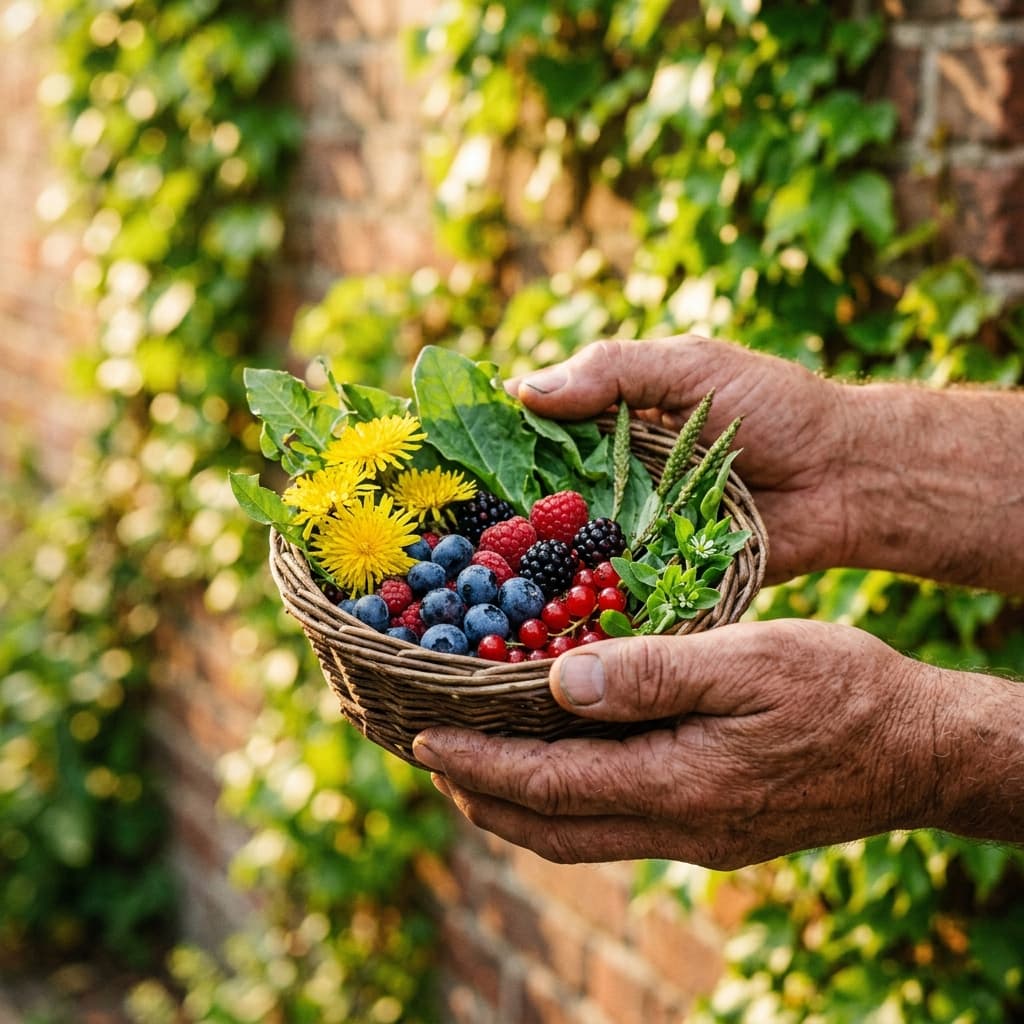
When we think of foraging, we often picture deep, untouched forests or sprawling countryside. However, a growing movement is proving that nature's bounty can be found closer to home. Urban Foraging is the practice of identifying and harvesting wild edible plants, fruits, and nuts within a city environment.
Why Forage in the City?
Urban foraging is more than just finding free food; it’s about reconnecting with our environment and understanding the local ecosystem that exists beneath the concrete.
- Sustainability: Eating local doesn't get more local than your neighborhood park. It radically reduces the carbon footprint associated with transporting food.
- Nutrition: Wild greens often pack a denser nutritional punch than their cultivated, supermarket counterparts, which are bred for shelf life rather than vitamins.
- Mindfulness: Foraging requires slowing down. It forces you to pay deep attention to your surroundings, disconnecting from screens and living entirely in the present moment.
Common Urban Edibles: A Beginner's List
If you know what to look for, the city is a veritable salad bowl:
- Dandelions: Often dismissed as pesky weeds, dandelions are entirely edible. The young leaves are great in salads, the flowers can be made into wine or syrup, and the roots can be roasted as a surprisingly good coffee substitute.
- Chickweed: A common garden weed with a mild, earthy flavor, perfect for pesto or fresh salads.
- Wild Berries: Blackberries, mulberries, and elderberries frequently grow wild in urban green spaces, along bike paths, and near railway tracks.
The Golden Rules of Safe Foraging
While highly rewarding, urban foraging requires extreme caution and respect for the environment. Ignorance can be dangerous.
- 100% Positive Identification: Never eat anything unless you are absolutely certain of its identity. Use multiple field guides, foraging apps, and consult local experts. If you are 99% sure, do not eat it.
- Avoid Contamination: Do not forage near busy roads (due to exhaust pollution), industrial sites, or areas heavily treated with pesticides. Stick to established, clean parks and your own un-sprayed yard.
- Forage Ethically: Never take more than you need (a good rule of thumb is to take only 10% of what you find), and never harvest the roots of a plant unless you intend to kill it. Leave plenty behind for wildlife and other human foragers.
Frequently Asked Questions (FAQ)
Q: Is urban foraging legal? A: It varies wildly by city, municipality, and specific park. Some public parks encourage it, while others strictly forbid removing any flora. Always check local regulations before harvesting.
Q: What is the best resource for a beginner? A: Look for local foraging tours or workshops in your city. Learning firsthand from an experienced forager is the safest and most effective way to start.